Planning for an Uluru Australia visit in 2026 comes down to a simple truth: the period from May through September will, as a rule, put you in the most comfortable position to make your way around Uluṟu-Kata Tjuṯa National Park. You will find milder days and clearer skies, and an early morning stroll is nothing like what you would have to endure in the Central Australian summer.
Then there is April, May, September and October which are also good options should you prefer softer temperatures and to avoid the crowds. It is a matter of what you value; cool weather for a walk or lower prices, school-holiday numbers, a dramatic summer storm, or simply not being cooked while you take in the sunrise and sunset. I am Elara Kennedy and have put together this guide with the sort of practicalities that can determine the success of an Uluru trip, including a stylish stay near Uluru.
Choose Your Ideal Travel Window
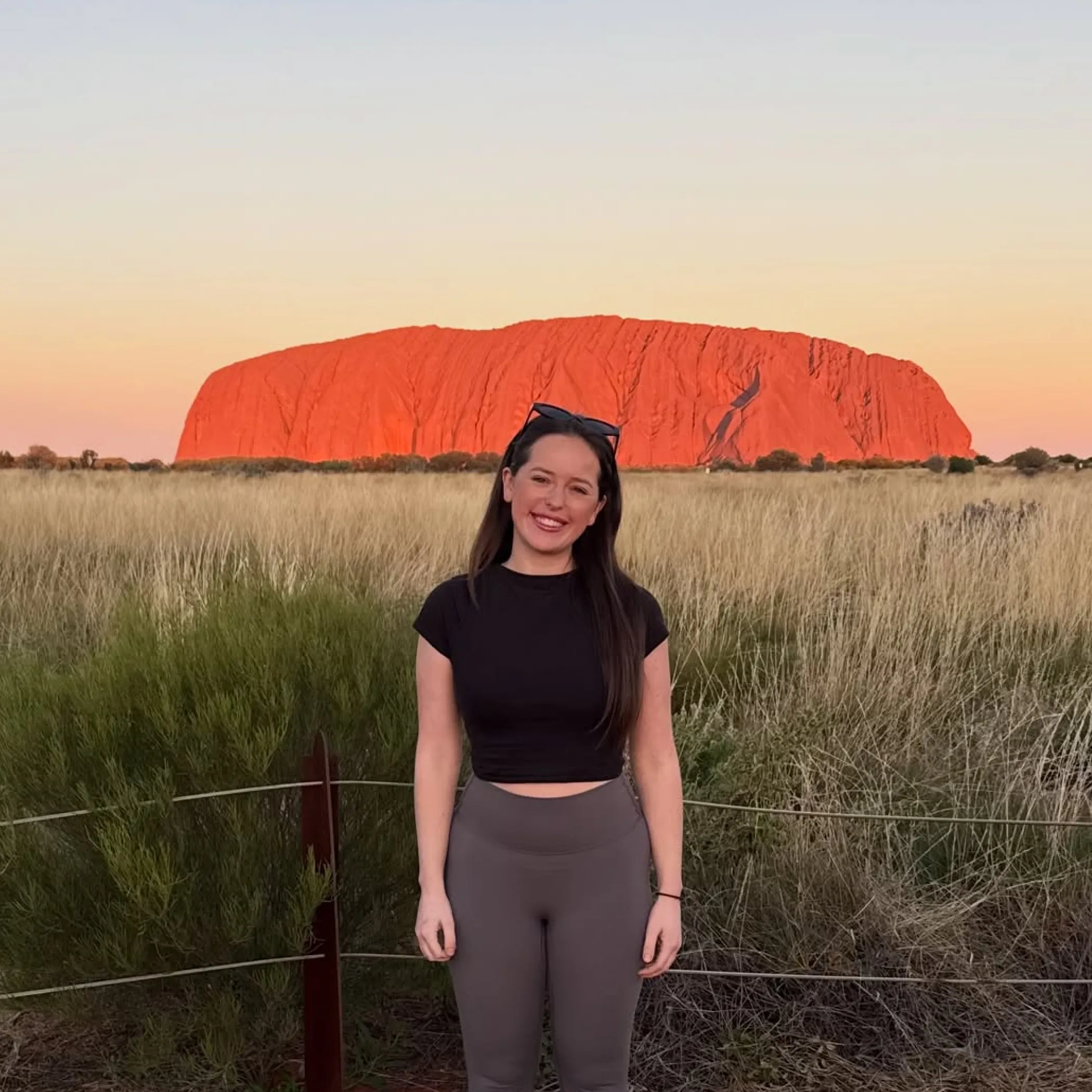
The desert climate of the Red Centre means there is a wide gulf between day and night temperatures at Uluru. The landscape may appear deceptively still and calm but one has to respect the conditions: the summer heat, unrelenting sun, lack of shade and the possibility of sudden changes.
Most will find May to September the time to be here in 2026. Those with an aversion to cold in the morning would do well to target May, June or September over the depths of winter.
A Quick Month-By-Month Guide
| Month | Typical Feel | Best For | Watch Out For |
|---|---|---|---|
| January | Very hot | Dramatic skies and some quiet time | Storms and heat restrictions |
| February | Hot, changeable | Lower-season travel | Rain and heat, closures possible |
| March | Hot to warm | Fewer visitors | Warm afternoons |
| April | Warm by day, cooler at night | Photography and walking | Swings in temperature |
| May | Mild | Clear light and the outdoors | Long weekends can be busy |
| June | Cool mornings, mild days | Sunrise and sunset walks | It gets cold before dawn |
| July | Cold nights, mild days | Hiking is at its best | School holidays and higher demand |
| August | Dry and mild | Extended days outside | Tours and accommodation are in demand |
| September | Pleasant and warm | Events, photography and walks | Afternoons can be hot |
| October | To hot and warm | Shoulder season for a quieter trip | Midday heat |
| November | Unsettled and hot | Lower-season | Closures, storms and heat |
| December | Very hot | Festive itineraries | The height of summer |
One cannot take these patterns as a given. Check the Bureau of Meteorology for the forecast before you head out, it is the sensible thing to do. And because rainfall is irregular, a dry-looking outlook does not mean you can forgo water and sun protection or have no backup plan.
Uluru Weather Patterns
What sets the seasons apart is not the view of Uluru, which is fine in any month, but how long you can be out of doors in comfort on the exposed tracks at Kata Tjuṯa. From December to February you need more flexibility in your itinerary. This is not the Top End where you get the wet-season rhythm of Darwin, though rain in Central Australia can come without warning and the dry spells run long.
Easier Days in Autumn
There is a certain utility to the transition from March to May. Afternoon in March can be hot enough, but April and May tend to be more to your liking for a walk and cooler when you want to sit outside with a billy or a drink. Travellers making a longer road trip of the Northern Territory will find autumn useful. Coming off the Stuart Highway or from Alice Springs you should factor in time for fuel and rest and to be aware of wildlife; you do not want to regard a road train as just another part of the scenery.
Spring Gets Hot
Things are pleasant enough in September, a solid choice for the active type, but by November the heat is becoming a nuisance. October is fine provided you put in your walks before the sun is up and save the middle of the day for lunch or an indoor rest. November can see lightning and wind from storms close off access to some tracks. Cyclone alerts in the wider territory are a northern concern from November to April and Uluru is too far inland for that, but regional weather can have an impact on broader plans.
The Dry Season
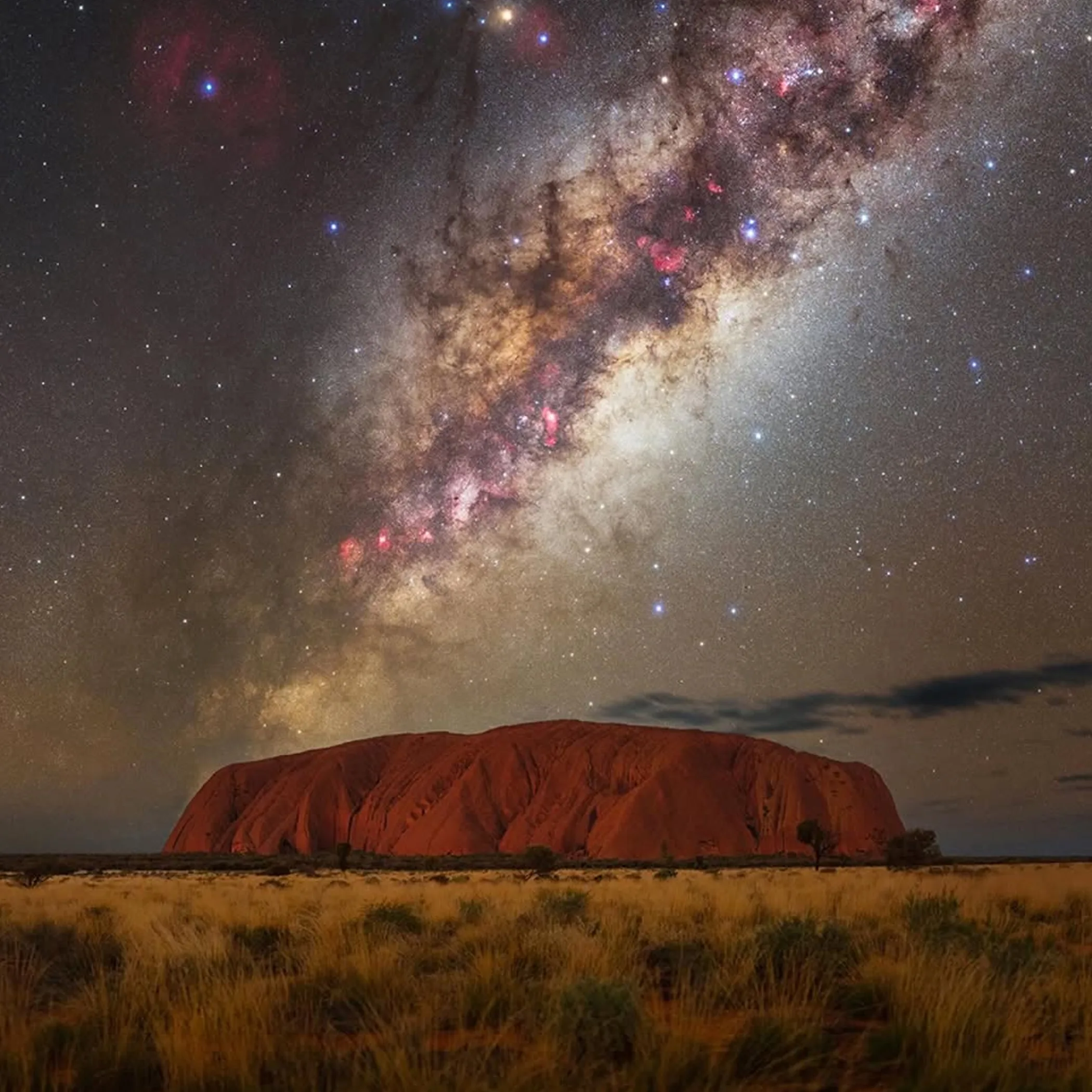
From May to September the park is more easily taken in on foot. It is why the dry season is so popular; you can put in more of the Mala Walk and make time for cultural sites or a sunset without having to structure the whole day on getting away from the heat. There is a price to be paid for popularity. The main vantage points get crowded in July and August, and you will find Uluru accommodation pricier or gone altogether. Should your travel coincide with the Australian school holidays, put in your booking for flights, rooms and tours long in advance.
What visitors tend to misjudge
The notion that winter brings warm days from breakfast time is one many hold on to. In fact it does not; come before sunrise and the desert has a way of being cold enough to notice, especially if you are at a standstill with your camera. Have some lighter clothes to hand when the sun comes up but make sure to pack something warm.
Then there is the error of attempting to do all the walking in a single morning. Any tour operator worth his salt will tell you to start early and be selective with your experiences so as to spare the middle of the day. Do not let a quick photo stop at Kata Tjuṯa’s Valley of the Winds deceive you into underestimating the time and energy it will take.
Summer: plan accordingly
For extended outdoor pursuits the months of December through February are not kind. A walk that looks unassuming can be made hard work by the heat and the park may put restrictions on tracks or close them down for safety. That said, a summer visit to Uluru is not to be shunned. One might encounter fewer people, less demand on accommodation and some impressive cloud cover. It is just a matter of being the type of traveller who will not have a fit over altering plans and can be content with a gallery or a protracted lunch in lieu of a midday stroll.
Make use of the cooler hours
Have your sunrise activity done and be back for breakfast, keeping any exposed walks to a minimum. Put on a broad-brimmed hat, take more water than seems necessary and do not wait until you are thirsty for a cue. This is doubly true for children and older folk, those with medical issues or anyone not accustomed to the desert. Dizziness, nausea or an odd fatigue means you should put a stop to things, get out of the sun and ask for assistance. Pride will not hydrate you.
Weather can be disruptive
A sudden rain may see road or walking surfaces altered and access denied. In hot and dry times bushfire closures are in the offing, so it is wise to consult official alerts before you put in an appearance. For the independent traveller it is good practice to have sensible food and fuel on hand, a phone with charge and to let someone know what you intend to do. Once you are away from the resort you will not find as many roadside conveniences as a first timer might think.
Autumn and spring are a good balance
If the idea is to have reasonable conditions without the winter crowds, these shoulder seasons are ideal. They are well suited to the photographer or couple who likes to take their time. I would put April, May and September at the top of the list for a trip that is not an exercise in endurance; they afford decent daylight for Kata Tjuṯa and a more comfortable walk.
Let your priorities dictate the dates
For the walker and photographer, go with May. Warmer mornings and later evenings are to be had in September. If you value a better deal on a room and some peace at the viewing areas over spotless temperatures, then April or October is the way to go.
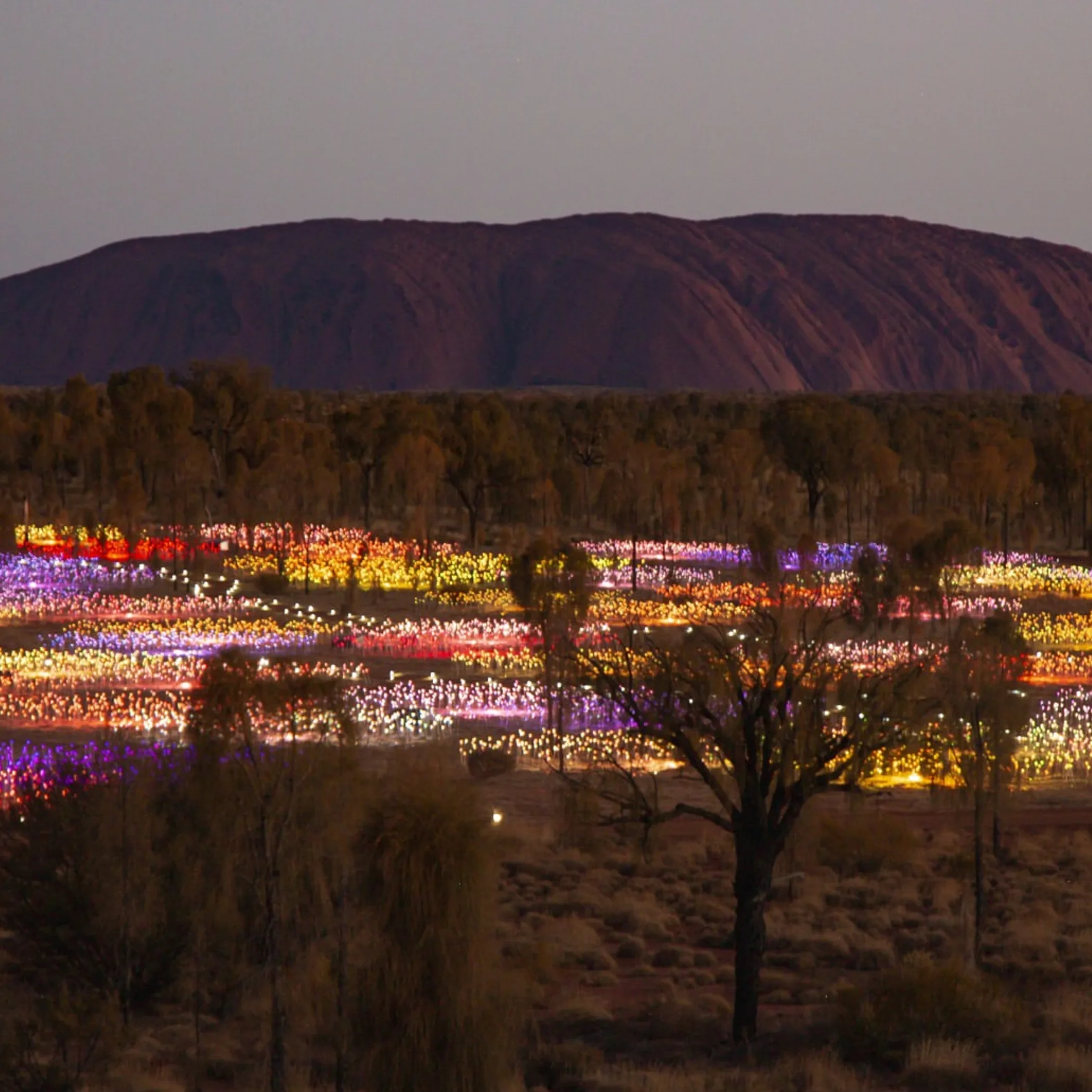
You could put Field of Light in your evening schedule but do not build the entire trip on it without verifying the fine print on availability and bookings.
Winter makes for a proper visit
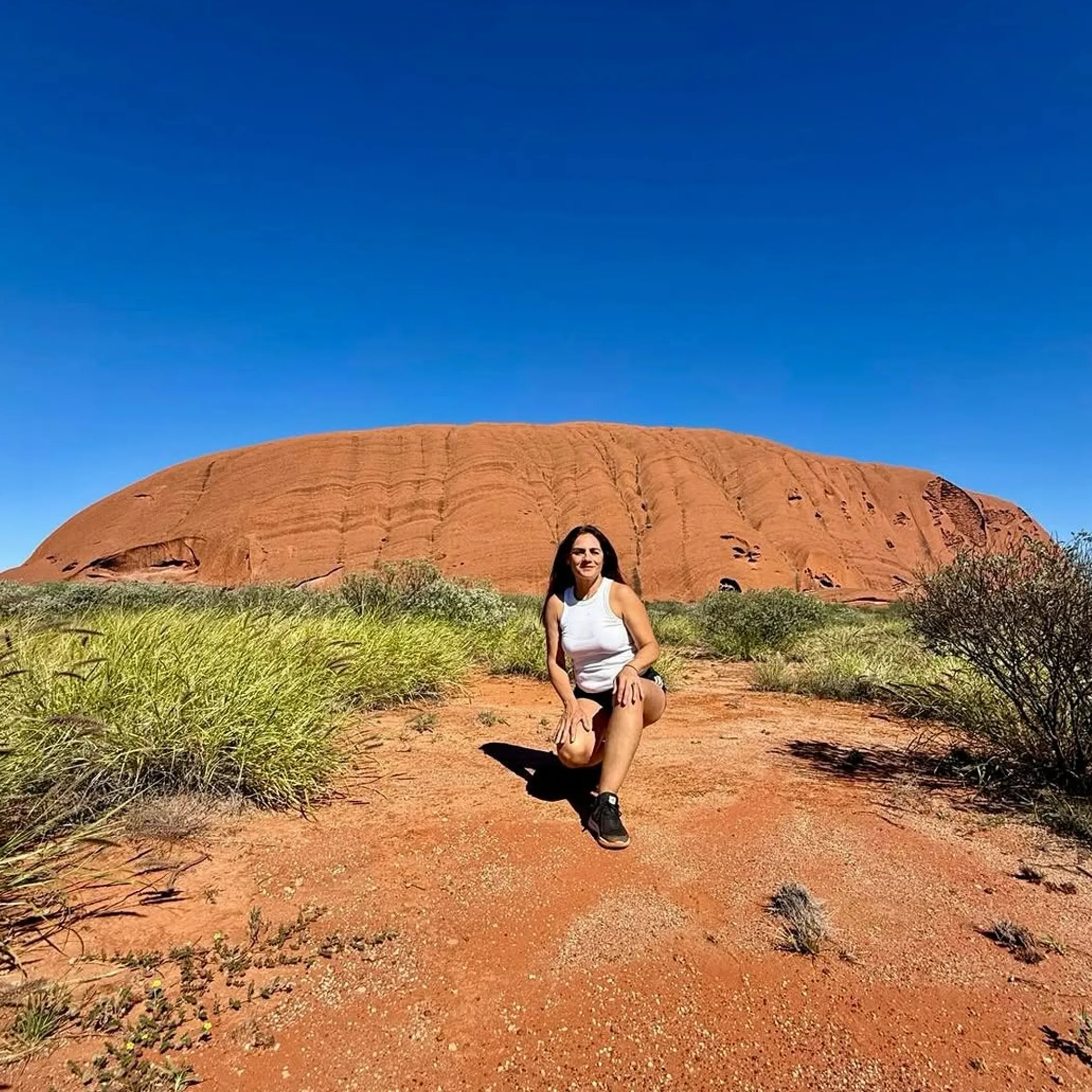
June to August is when most come to Uluru. The light is right for photography and the air is clear and crisp, making long walks agreeable. But winter will also show up poor planning. The temperature can be at its nadir to start a sunrise tour and a mild day in the sun will turn cold when the wind picks up over open country.
Some notes on the principal tracks
| Experience | Planning Notes | Suitable For |
|---|---|---|
| Mala Walk | Best done in the morning, with a guide or on your own where permitted | Most will be fine provided they can handle uneven ground |
| Uluru Base Area | Set aside a few hours for photographs and cultural interpretation | Travellers in search of a deeper appreciation of Uluru |
| Valley Of The Winds | Factor in extra time for the terrain and to rest | Fit walkers in the right shoes |
| Sunset Viewing | In the busy months get there early and leave with time to spare | Open to all depending on access |
Consider this table a guide to your planning. You would do well to refer to the Uluṟu-Kata Tjuṯa National Park for the latest on entry requirements, safety and any changes to track conditions or cultural protocols.
Time Sunrise And Sunset Well
There is a reason the sunrise and sunset at Uluru are so sought after, yet there is no compulsion to put in for both on a daily basis. The former will see you with cooler temperatures and less of a crowd; the latter has a warmer light and is more of a social affair.
Since the times are not static over the course of the year, one should consult the forecast and sunrise data for the day in question before setting off. Make time to park and make your way to the vantage point to put your camera in place without having to run as though an appointment has just been recalled.
A Strategy For A One-Day Visit
When you have but a single day, put an early sunrise first, then the Mala Walk, a good look at the base and finally the sunset. Kata Tjuṯa can be added if your energy and means of transport allow, otherwise you risk being cooped up in a vehicle and only seeing the Red Centre from behind a windscreen.
An organised tour is the easy way to go if you do not have a hire car, as they handle the timing and interpretation along with the driving. If you have a car, top up the tank and know where you will be parking for the various activities. There is no call to walk in the heat of the day to prove a point.
Avoiding Crowds And Expenditure
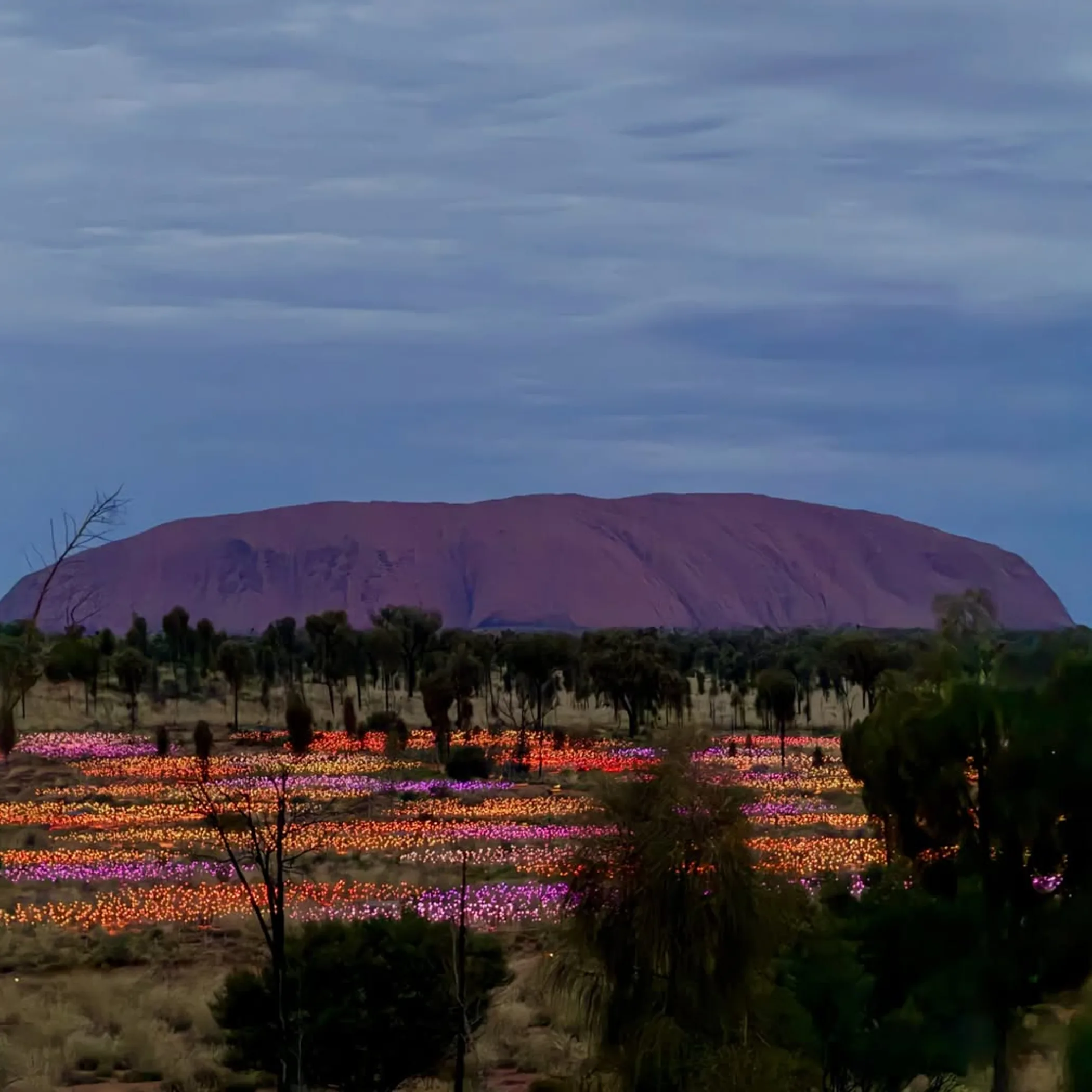
You will not find a set price for a visit to Uluru. It is a matter of when you book and what the demand is for accommodation, tours and flights, not to mention school holidays. While shoulder season or summer can present better value, any savings are forfeited if the heat puts a stop to what you have come for.
To keep away from the throngs, stay clear of Australian school-holiday periods and opt for sunrise. In July and August in particular, have your park entry and a room reserved ahead of time. A well appointed place to stay close by will save you trouble in the morning, but look at the inclusions and location rather than the photos on the wall.
Putting Together A Route
In broad terms: in from Ayers Rock Airport or the Lasseter Highway, put down in Yulara, get into the park for some walking or the sunrise and come back for a respite before heading out again at sunset. Those making the drive from Alice Springs would be wise to set aside a full day for it.
Costs for food, transport and lodging are all over the place, so work out a daily budget in Australian dollars and verify prices. Factor in park fees, fuel, water, meals and perhaps an extra night for good measure; travelling in these parts has a way of exacting a toll for optimism.
What To Pack
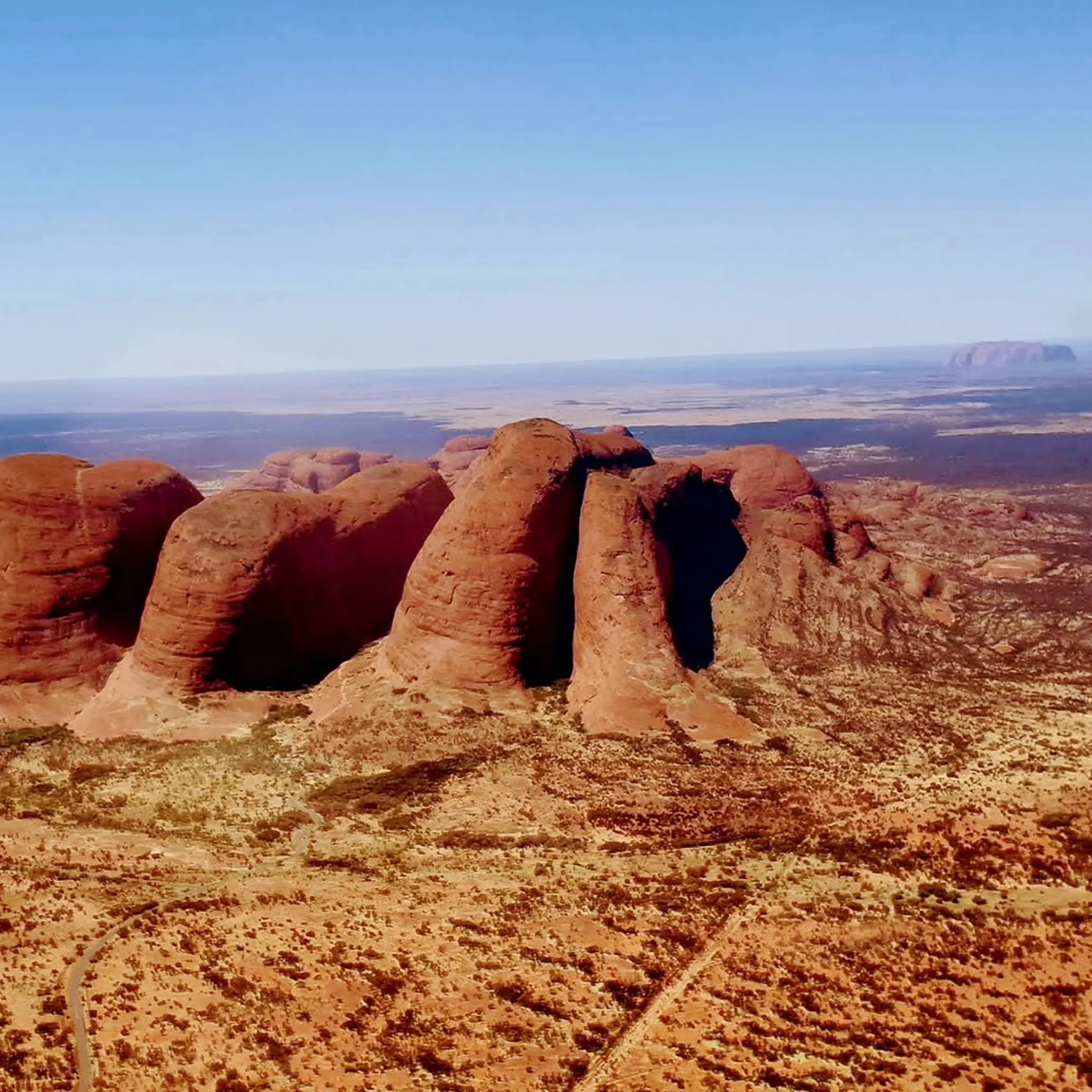
The desert can give you two climates in a day. You might want a fleece at daybreak and something breathable by late morning, with a warm layer once the sun is down.
- Essentials are a hat with a wide brim, sunglasses, sunscreen and a bottle of water you can refill.
- For winter mornings pack a jacket and shoes with some grip.
- Have your medication, a phone with a power bank and directions that do not require a signal.
- Bring some insect repellent for the evening, even if a mozzie does not always deign to follow your schedule.
Shoulder and knee covering is in order at times. Heed the cultural advice and stick to the marked paths. This is a place of great significance to the Anangu Traditional Owners; respect the rules and the restricted zones and do not attempt to climb Uluru.
Some Questions To Put To Rest
Before I would book a flight I would have the answers to the following, to clear up any uncertainty as to cost, weather and what is feasible in a short time.
Which month is best?
May is hard to beat for an all-round experience; you avoid the coldest part of the winter and the summer’s discomfort. September is equally good for its length of day and warmth.
How long to spend there?
Two days minimum for Uluru and Kata Tjuṯa. You can tick off the highlights in one, but with two you have the latitude for a guided walk and any vagaries of the weather.
Summer or winter?
For a predictable amount of time outdoors and good walking, winter is preferable. Summer may be less costly and quiet, but storms and midday heat are a hindrance.
Is it possible in the rain?
Provided the park is open and the tracks are sound, yes. But check with officials and do not go where you are not meant to.
Attire?
Enclosed shoes, a hat and clothing to shield you from the sun. Between May and August a jumper is advisable for the cold of the pre-dawn and evening hours.
Booking With Confidence
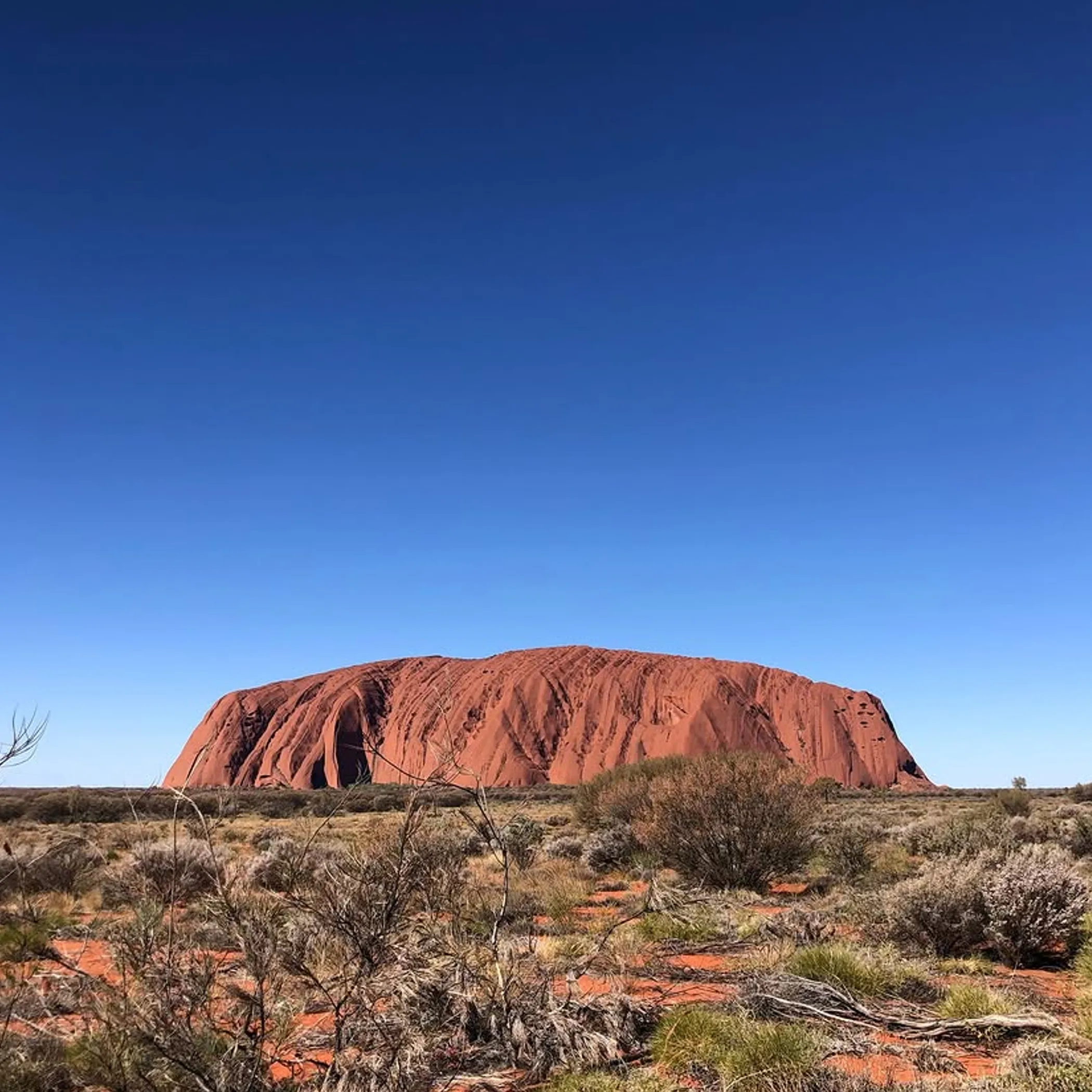
May through September will serve you well for reliable plans and conditions, with the shoulder months of May and September being especially useful. Reserve summer for those who are at ease with the heat and the prospect of a change of plan.
Uluru is best with a measured approach: start early, drink your water, be respectful and do not be in such a hurry to check the clock. Pick a month that is right for you, do your homework on the park and you will have a holiday in the Red Centre that is not an expensive race with the sun.
